Karin Altmann and Nana Opoku
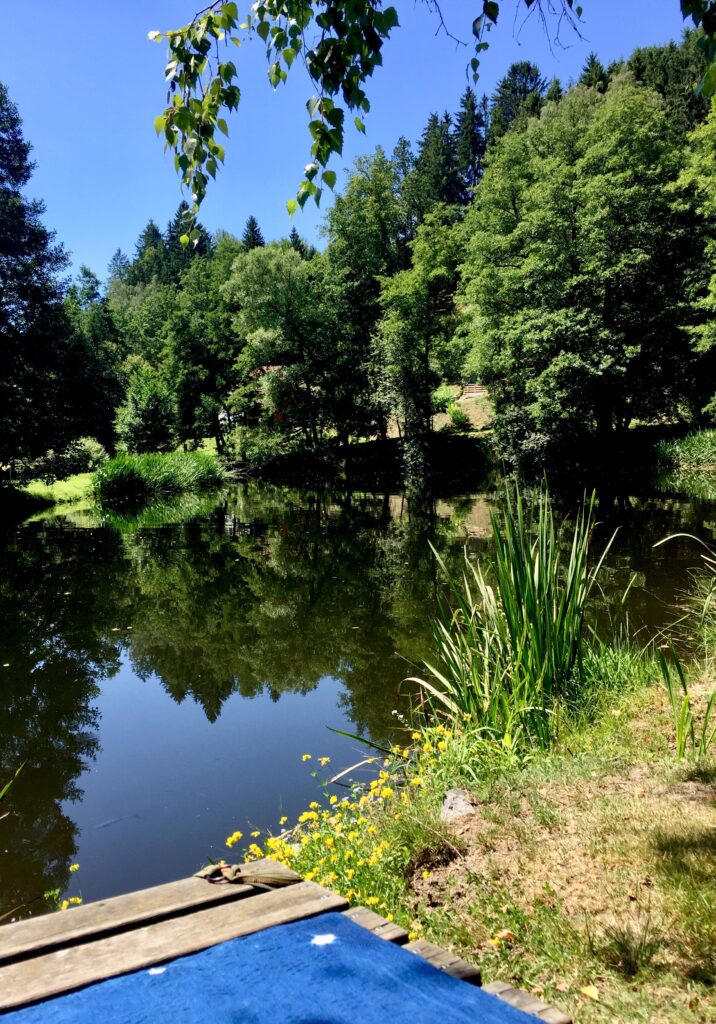
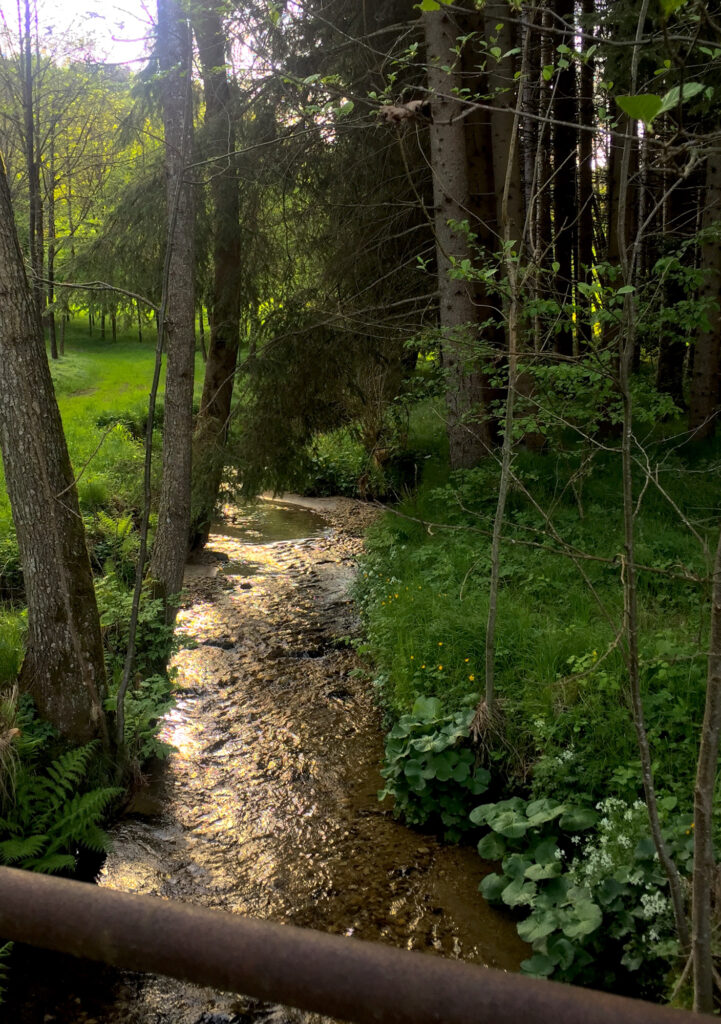
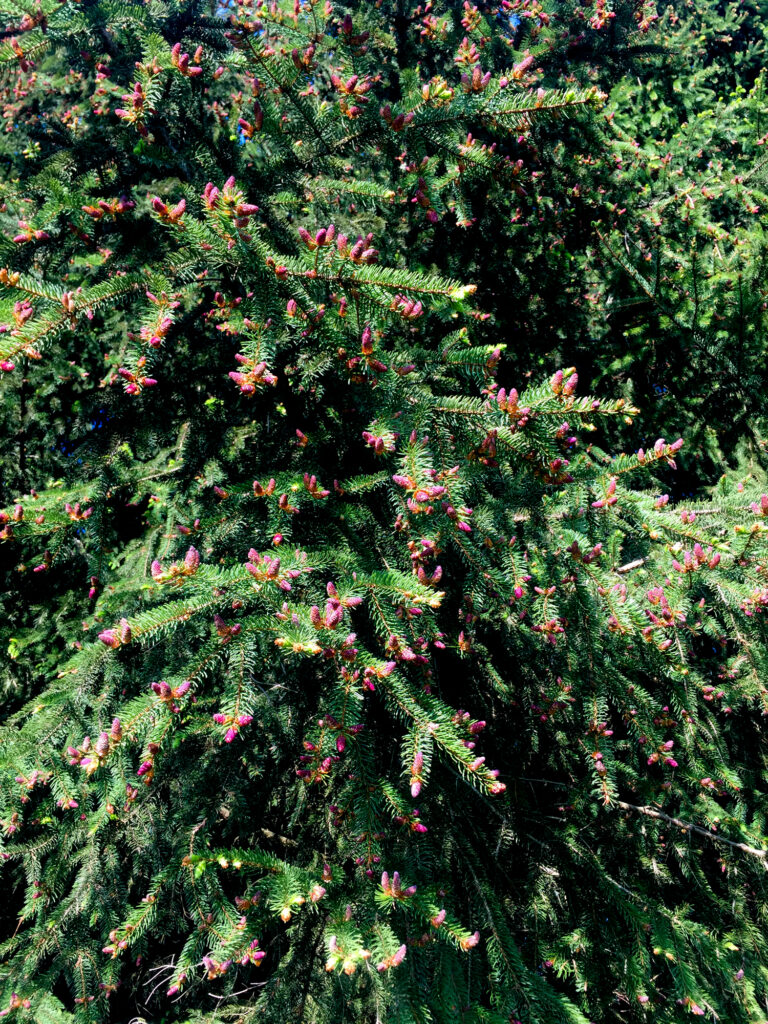
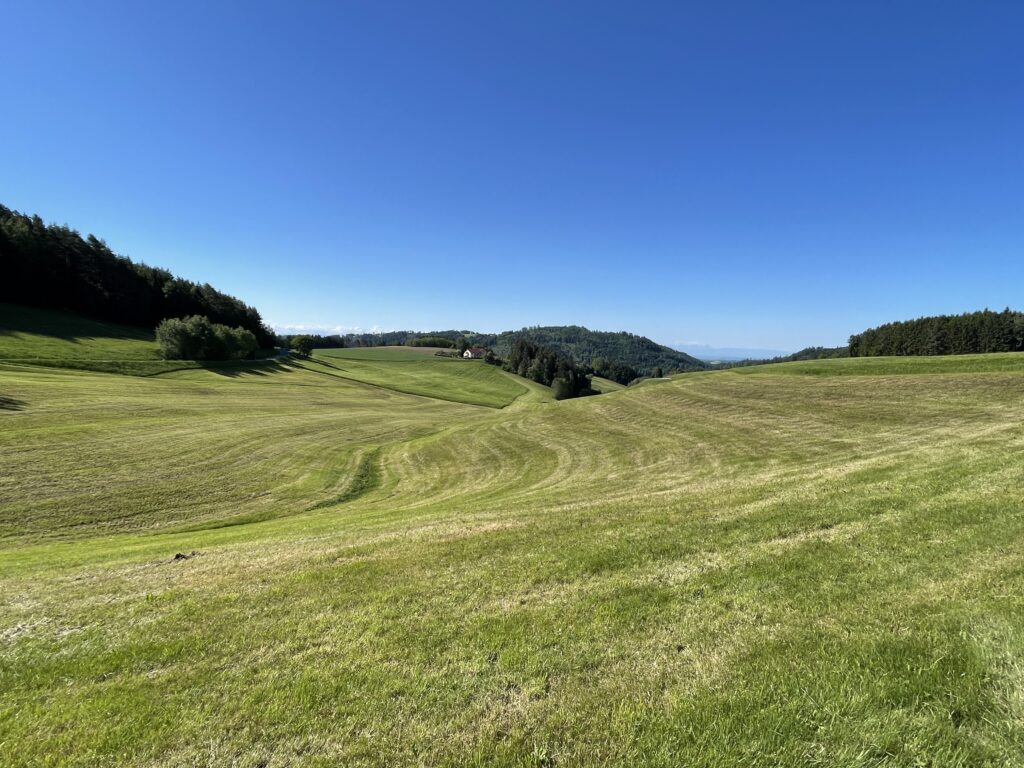
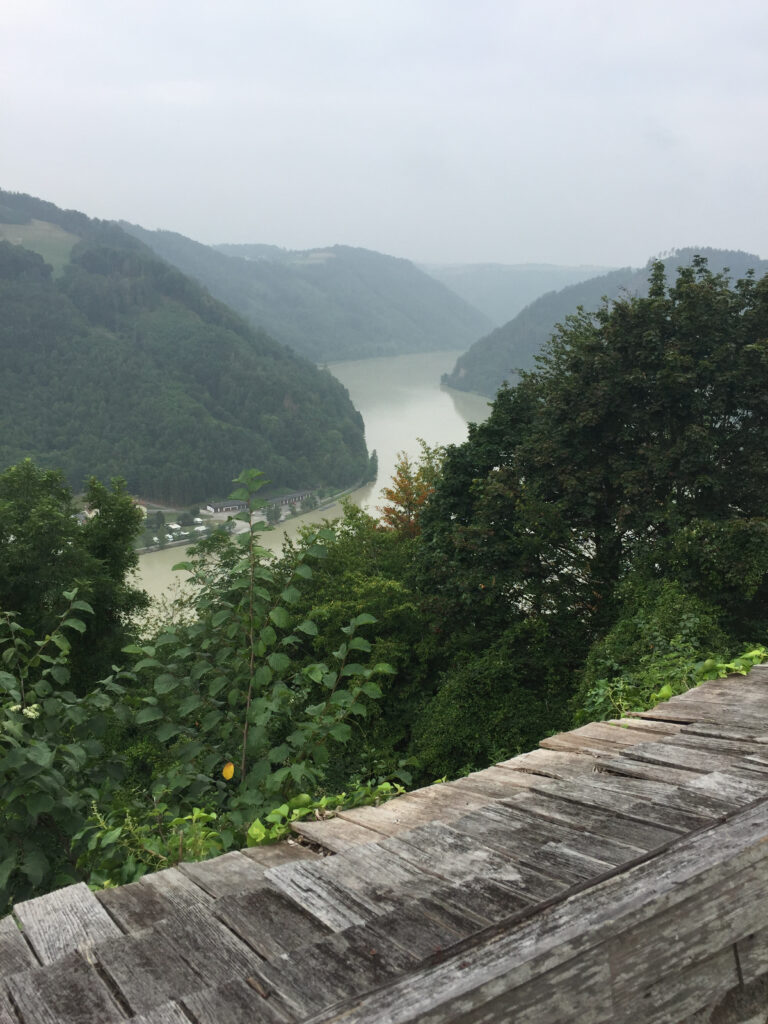
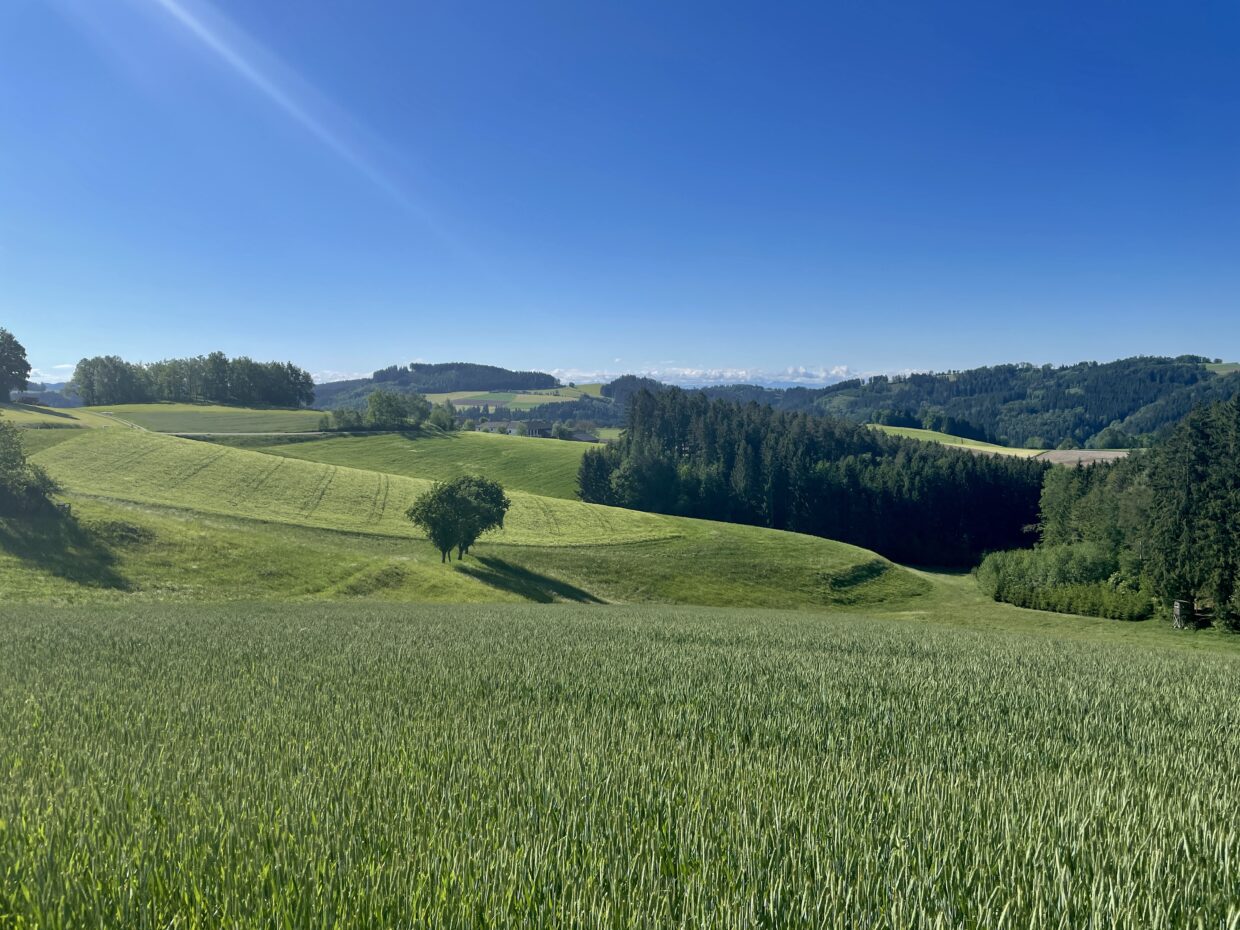
The Upper Mühlviertel, located in the northern part of Upper Austria, is a region defined by its gently rolling hills, dense forests, and a relatively harsh climate shaped by its proximity to the Bohemian Massif. Stretching along the border with the Czech Republic, the area is characterized by granite and gneiss bedrock, which influences both the soil quality and the visual character of the landscape. The terrain is marked by undulating hills, interspersed with small valleys and streams, creating a mosaic of meadows, farmland, and woodland.
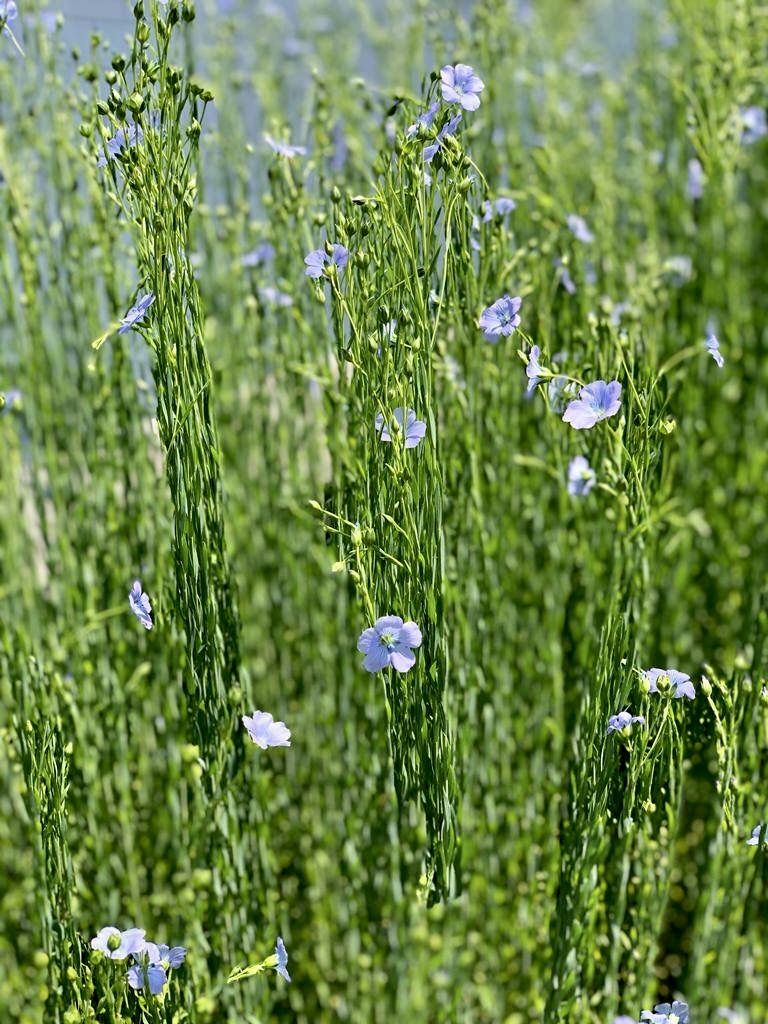
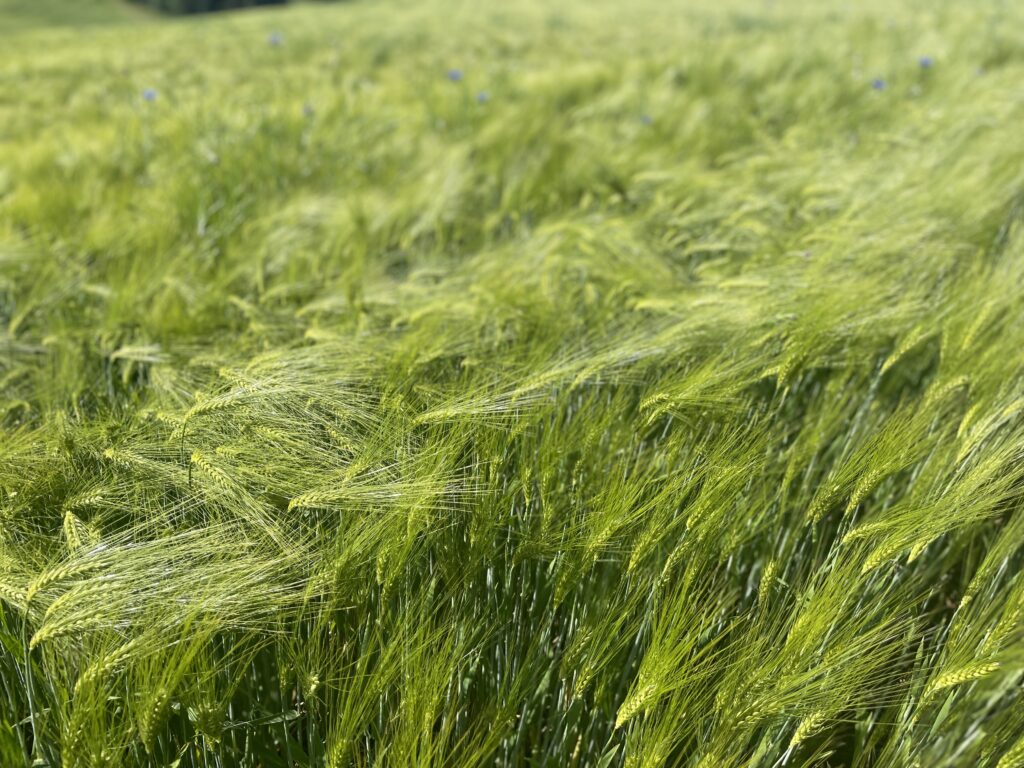
The climate in the Upper Mühlviertel is cooler and wetter than in the lowland regions of Austria. Long winters and relatively short growing seasons historically limited agricultural diversity, but they also created favourable conditions for certain hardy crops, most notably flax. The combination of sufficient rainfall, moderate summer temperatures, and well-drained soils made the region particularly suitable for flax cultivation. Unlike more demanding crops, flax thrives in such environments, and over time it became a cornerstone of the local rural economy.