Karin Altmann
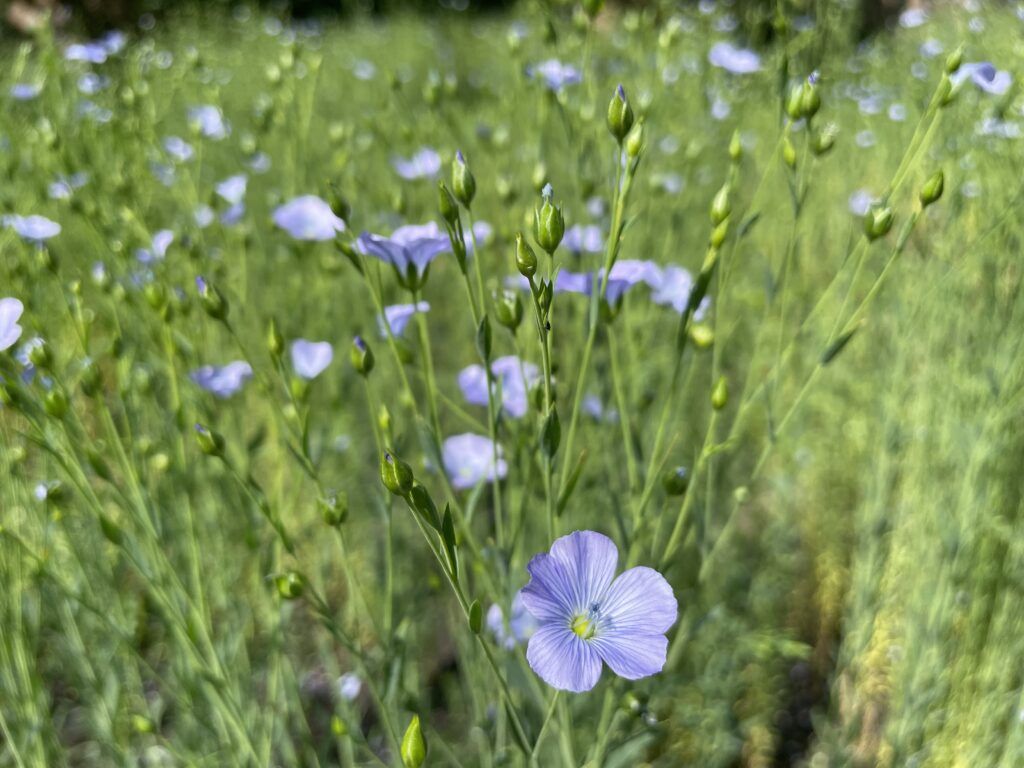
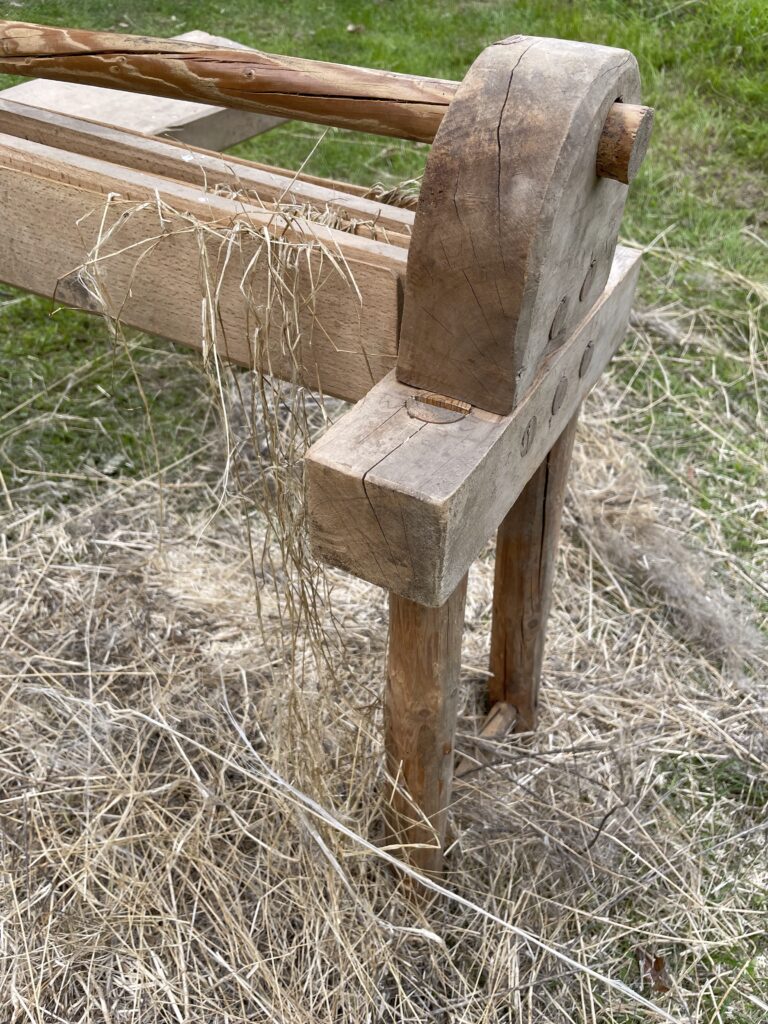
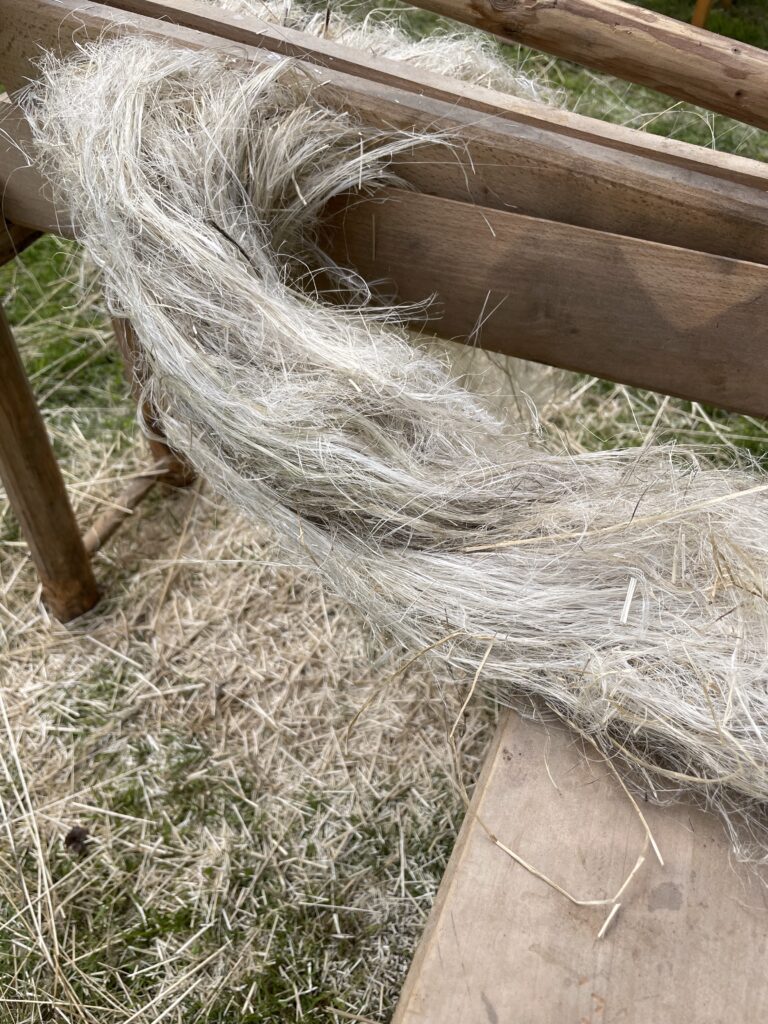
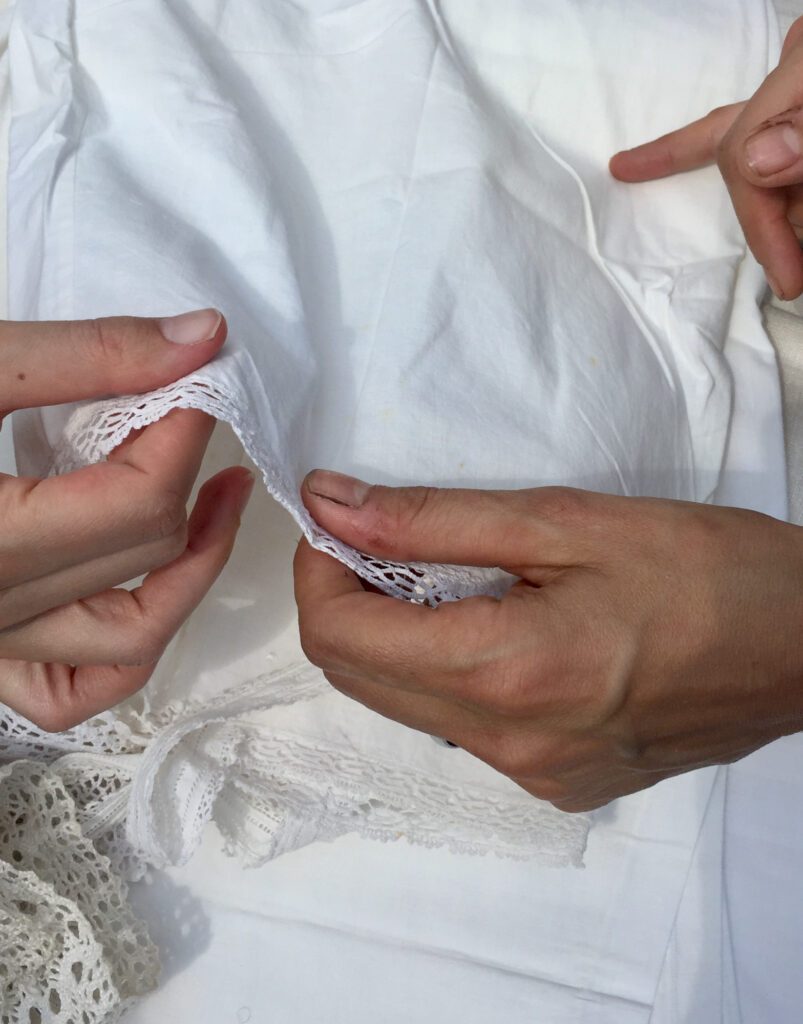
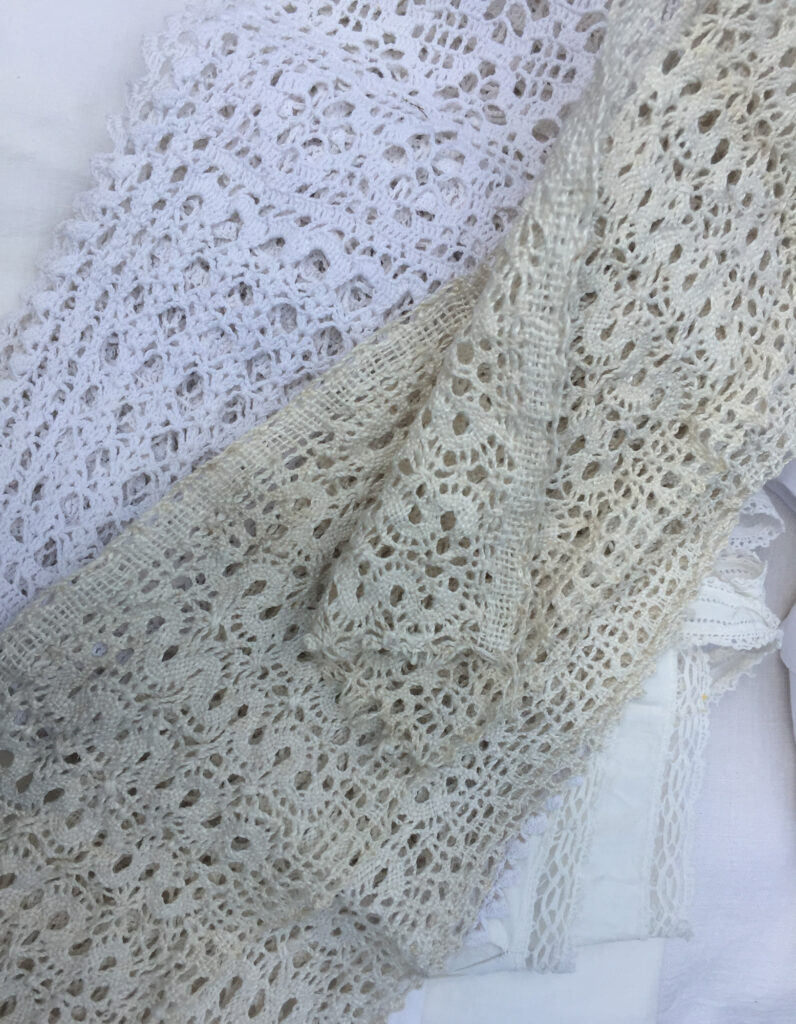
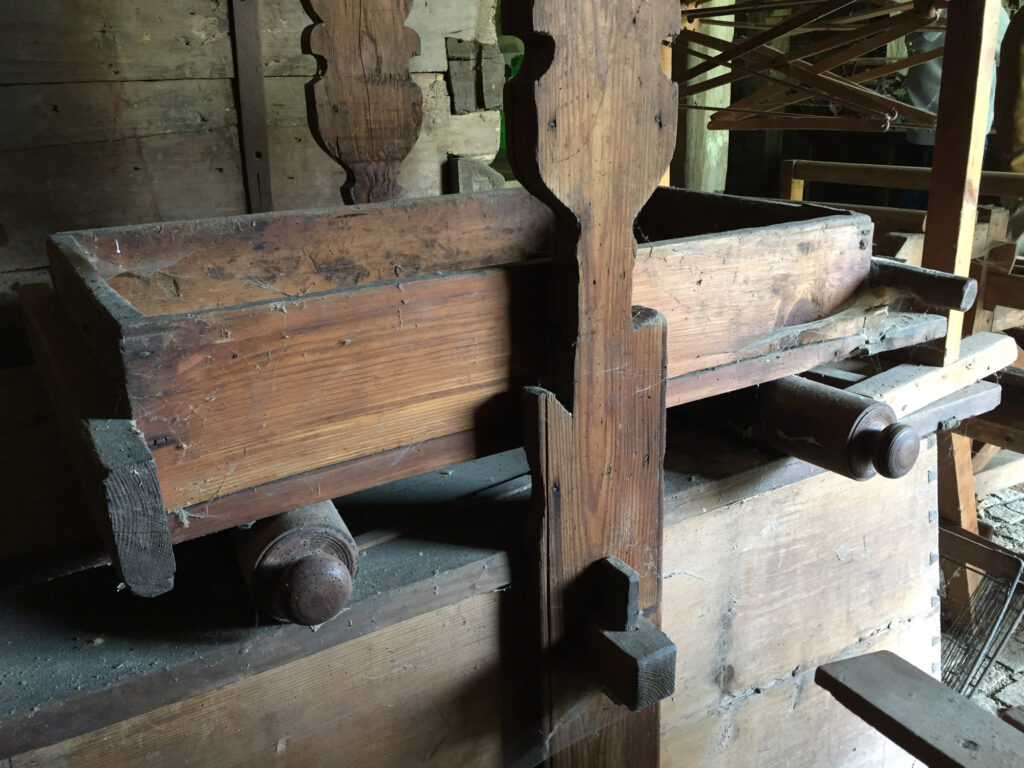
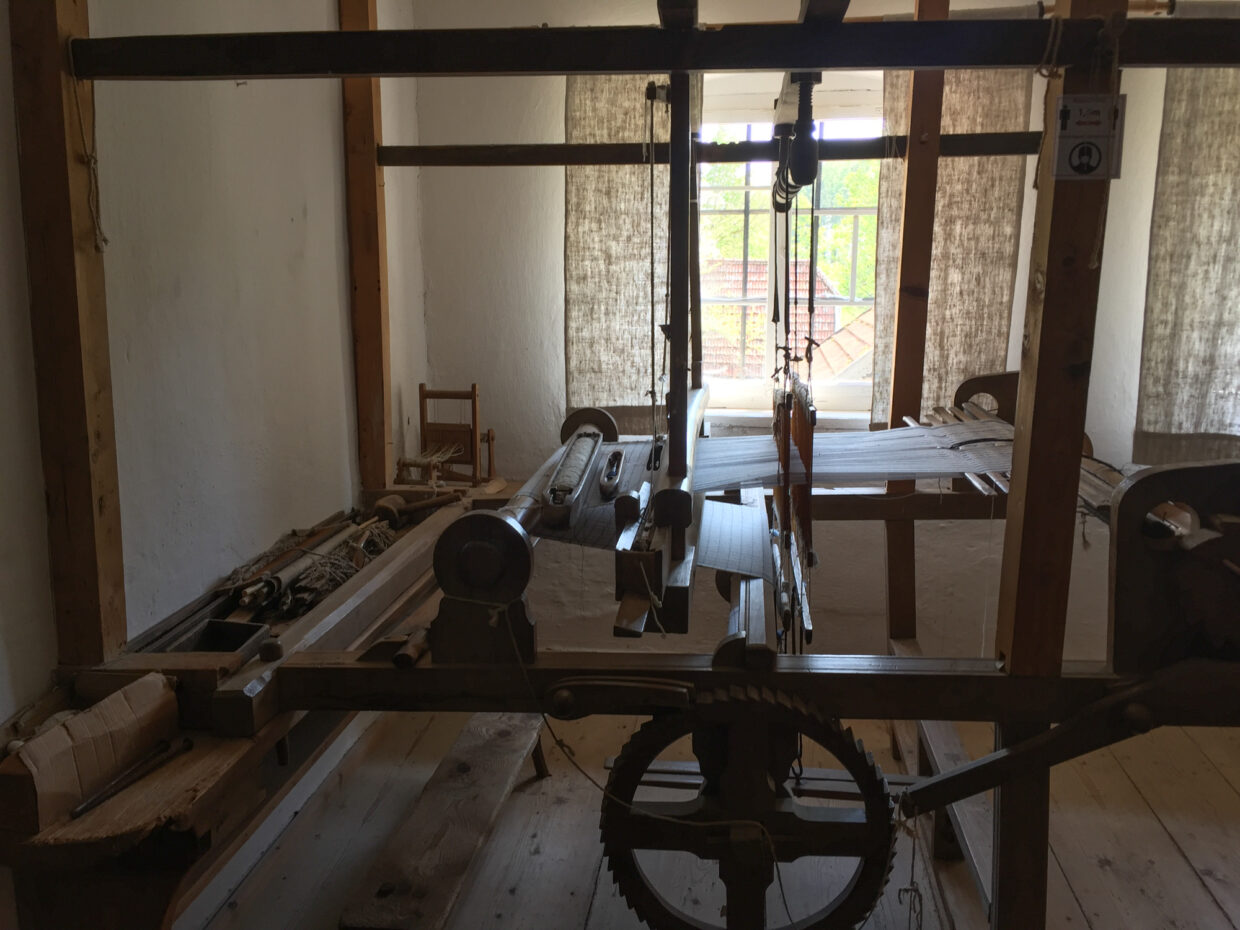
Flax cultivation in the Upper Mühlviertel dates back centuries and was once of immense economic and cultural importance. Farmers grew flax not only for local use but also as a commercial product. The entire process, from sowing to harvesting and processing, required significant manual labour and specialized knowledge, making it a deeply ingrained part of regional life.
The Upper Mühlviertel developed a strong tradition of home-based textile production, where families spun flax fibres into yarn and wove them into linen cloth. This domestic industry was often supplemented by small-scale workshops and mills, contributing to a decentralized but resilient rural economy.
The importance of flax extended beyond mere agriculture. It shaped settlement patterns, social structures, and local customs. Seasonal rhythms revolved around the flax cycle, and communal labour, such as shared harvesting or processing efforts, played a key role in strengthening community bonds.
Linen from the region gained a reputation for quality and durability, and it was traded beyond local markets, linking the Upper Mühlviertel to broader economic networks. However, with the advent of industrialization in the 19th century and the increasing dominance of cotton and synthetic fibres, flax cultivation in the region declined significantly. Mechanized textile production elsewhere made traditional methods less competitive, leading to a gradual erosion of this once-central industry.
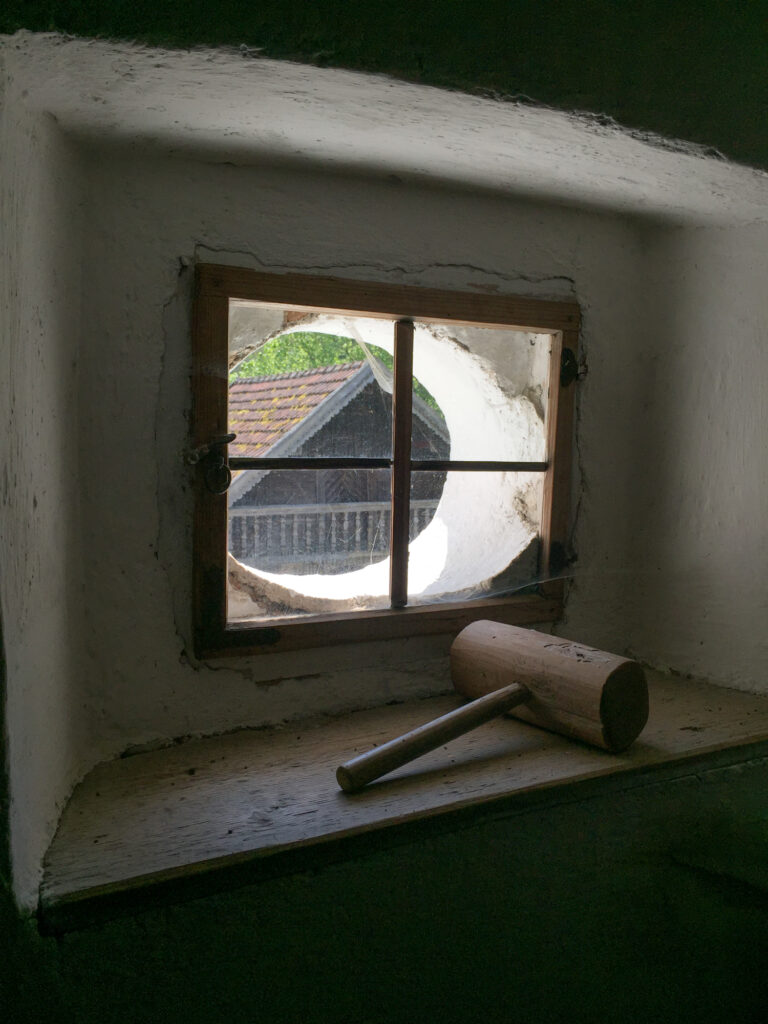
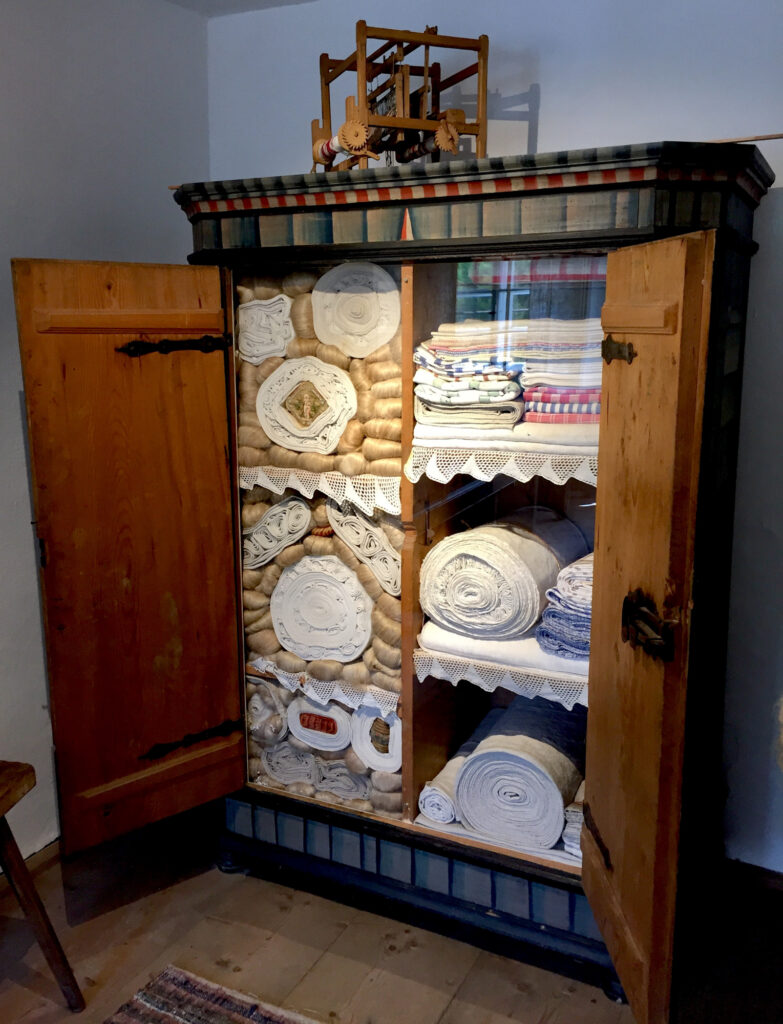
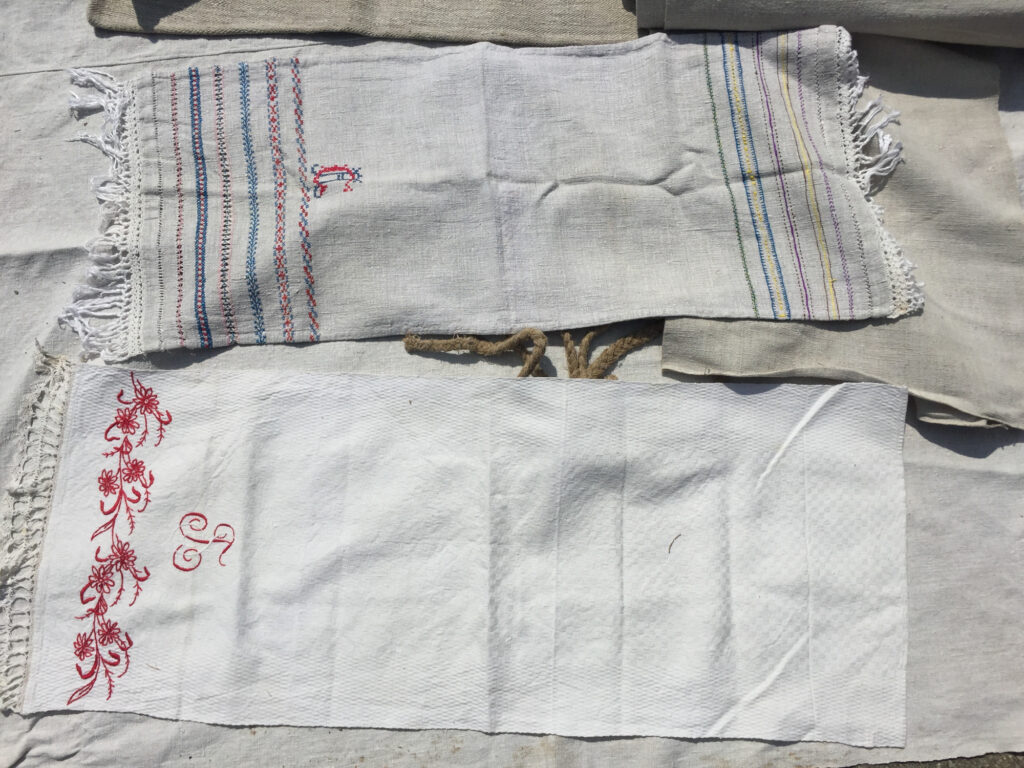
Today, while flax is no longer a dominant economic force, its legacy remains visible in the cultural landscape of the Upper Mühlviertel. Traditional farmhouses, old flax-processing tools, and local museums preserve the memory of this heritage.