Karin Altmann and Tristan Toé
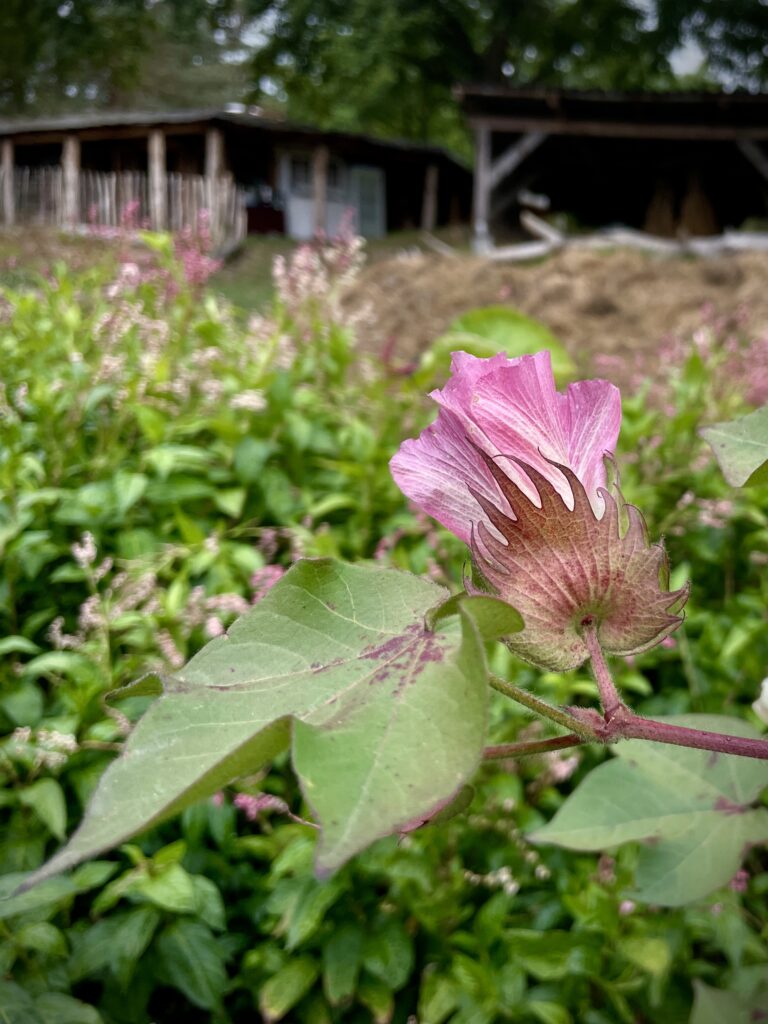
The Waldviertel region of northern Austria is known for its cool climate, granite soils, forests, and traditional agricultural landscapes. At first glance, it appears to be an unlikely location for cotton cultivation. Cotton is typically associated with warm, sunny regions such as India, Turkey, and the southern United States. However, as climate conditions change and interest in local, sustainable textile production grows, the possibility of cultivating organic naturally coloured cotton deserves exploration.
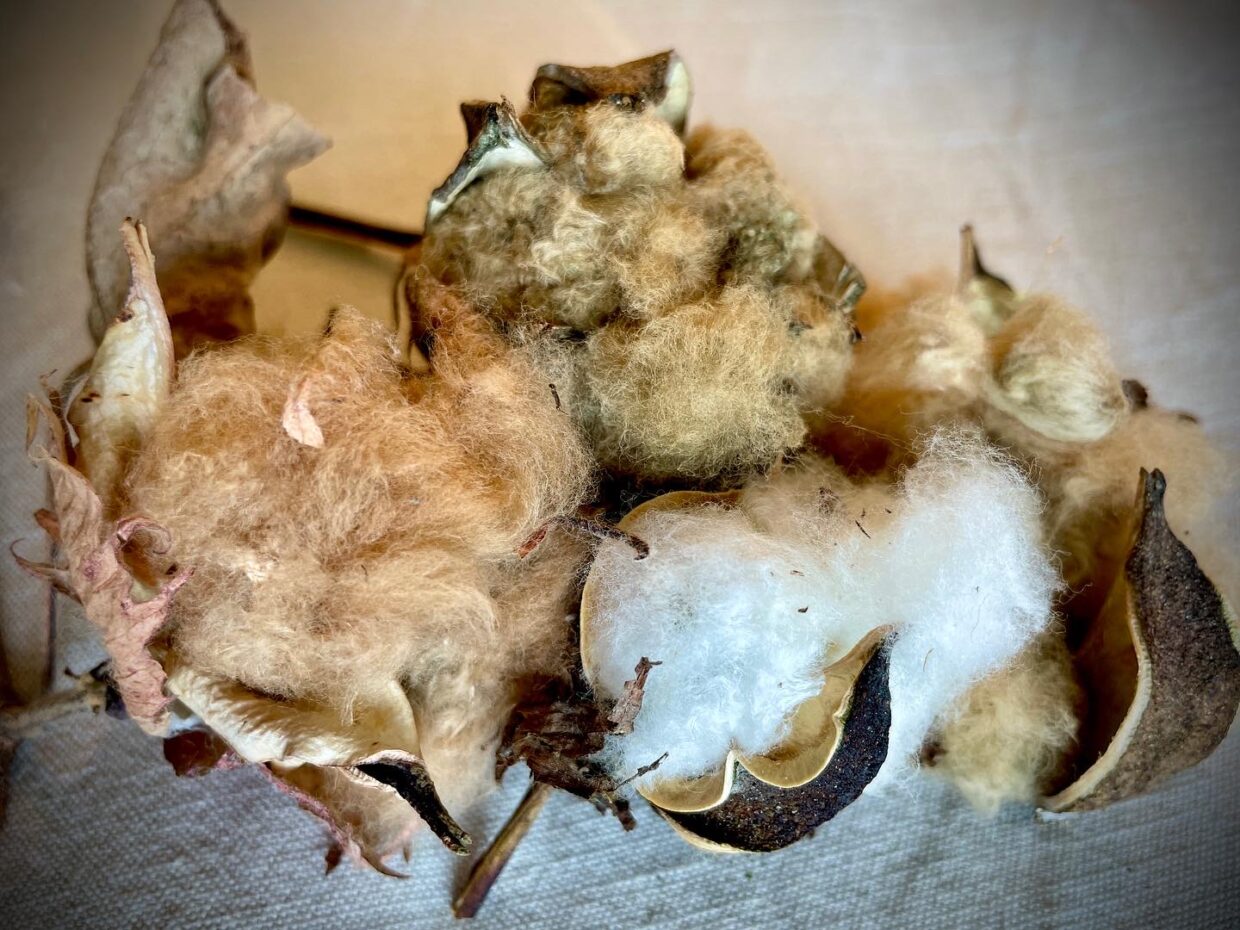
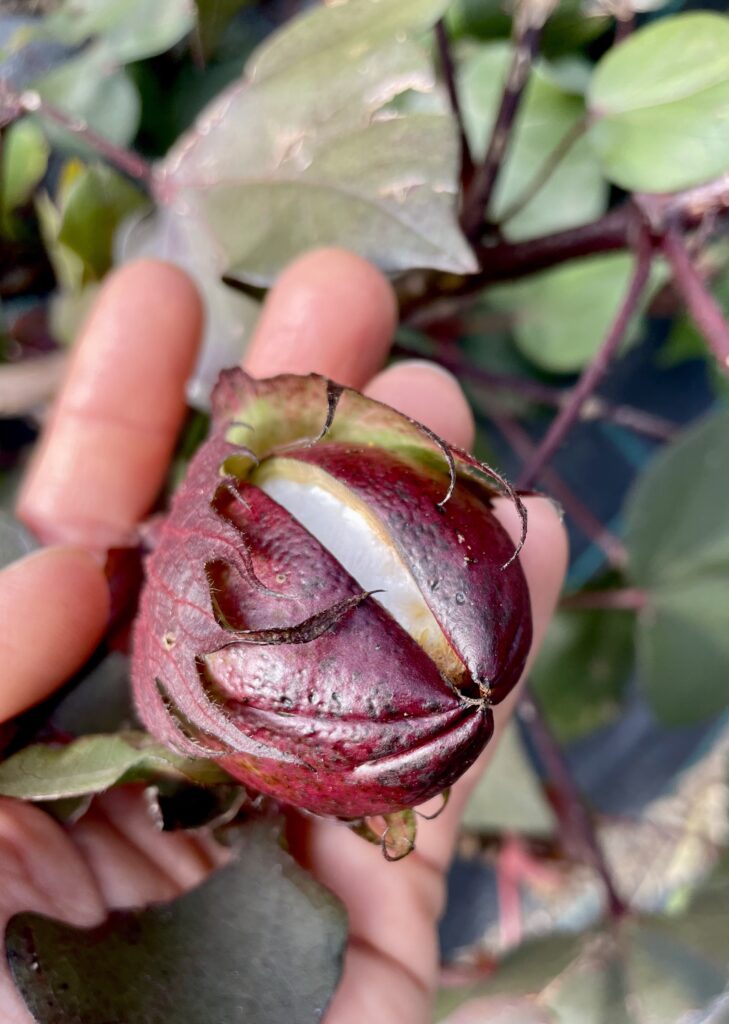
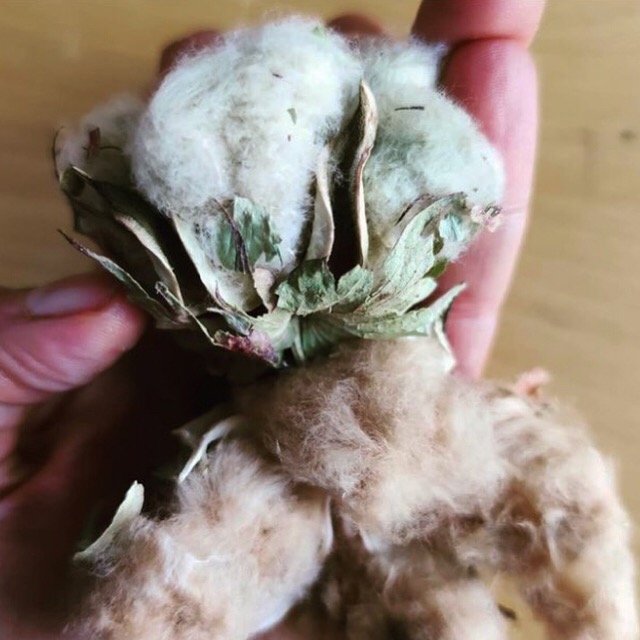
Naturally coloured cotton is a unique type of cotton that produces fibres in shades of brown, orange, green, and beige. When combined with organic farming methods, it offers significant environmental benefits, including reduced chemical use, lower water consumption during textile processing, and a smaller ecological footprint. Producing such cotton locally in Austria could support regional textile industries and create a highly distinctive agricultural product.
The greatest challenge in the Waldviertel is climate. Cotton requires a long growing season with sufficient warmth to develop flowers and mature fibre-filled bolls. The region’s relatively cool summers and risk of late spring and early autumn frosts can limit crop development.
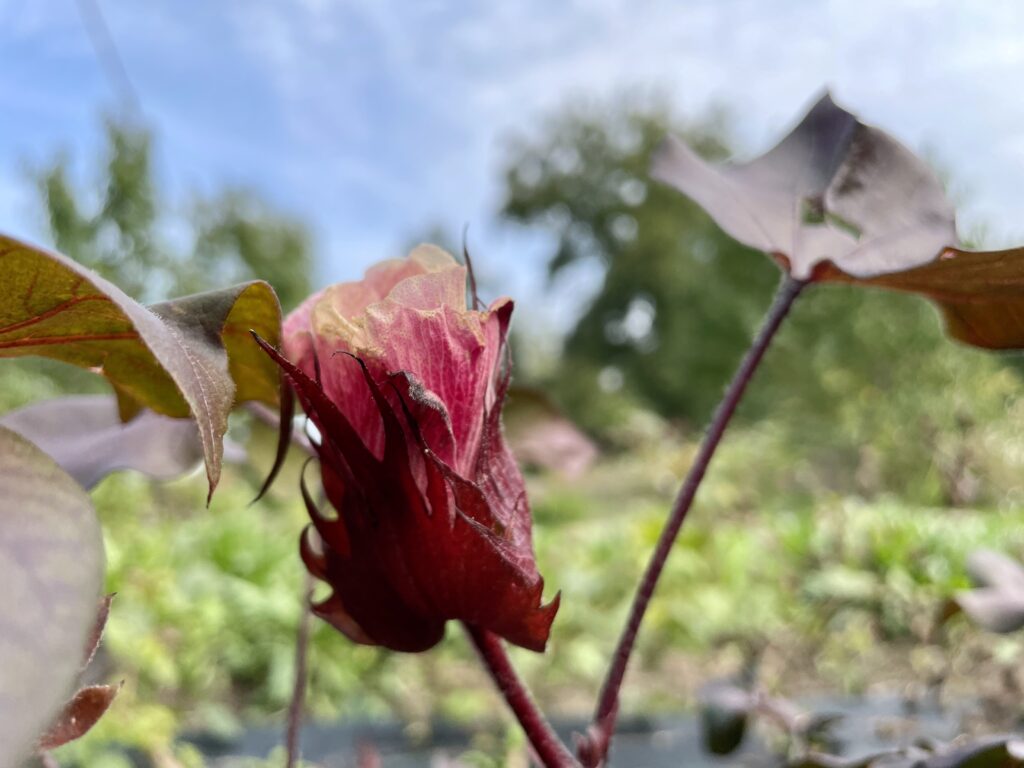
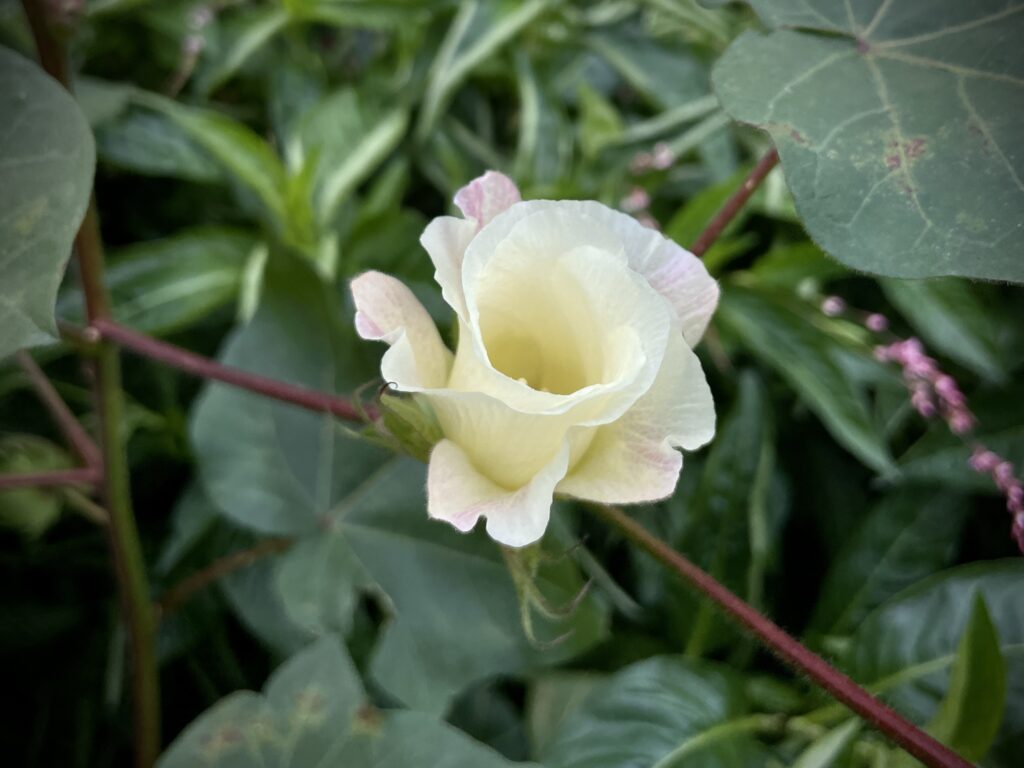
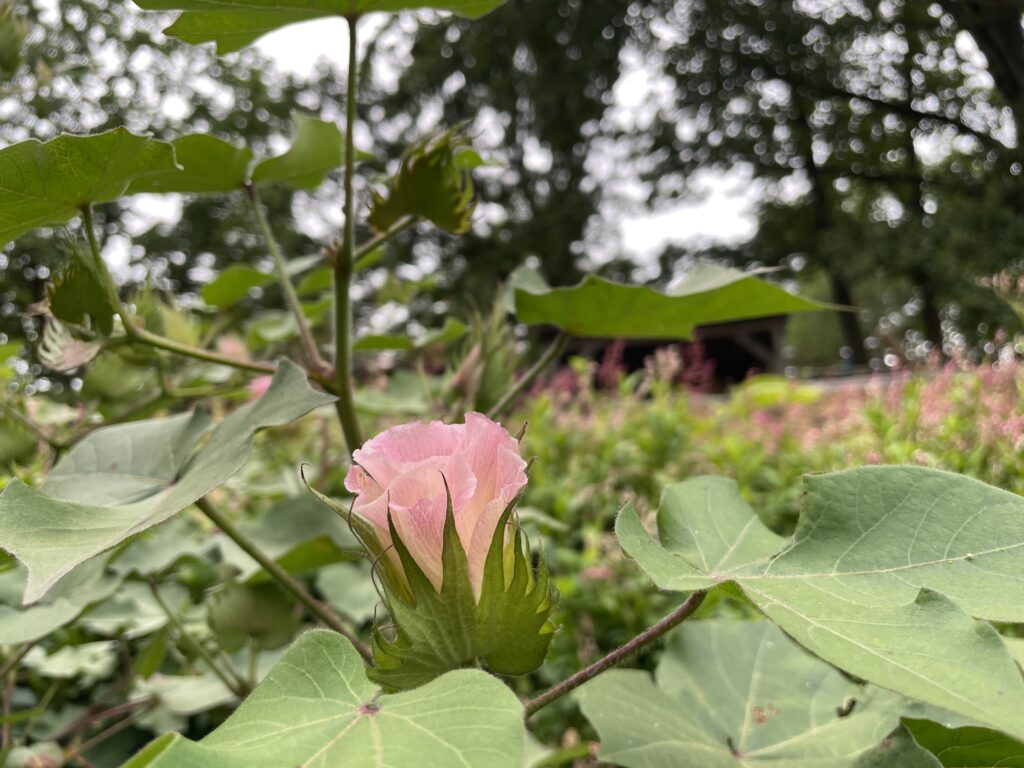
But initial experiments prove that growing organic naturally coloured cotton is possible in Austria.