Karin Altmann
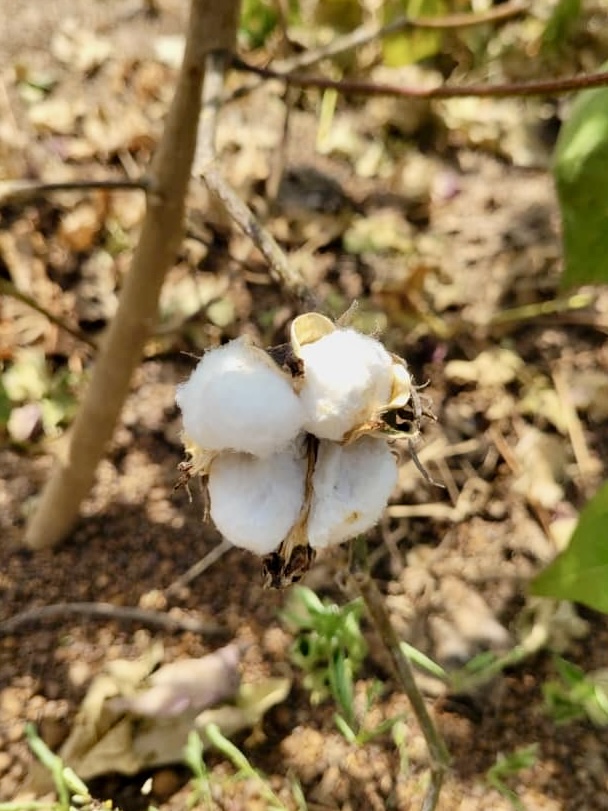
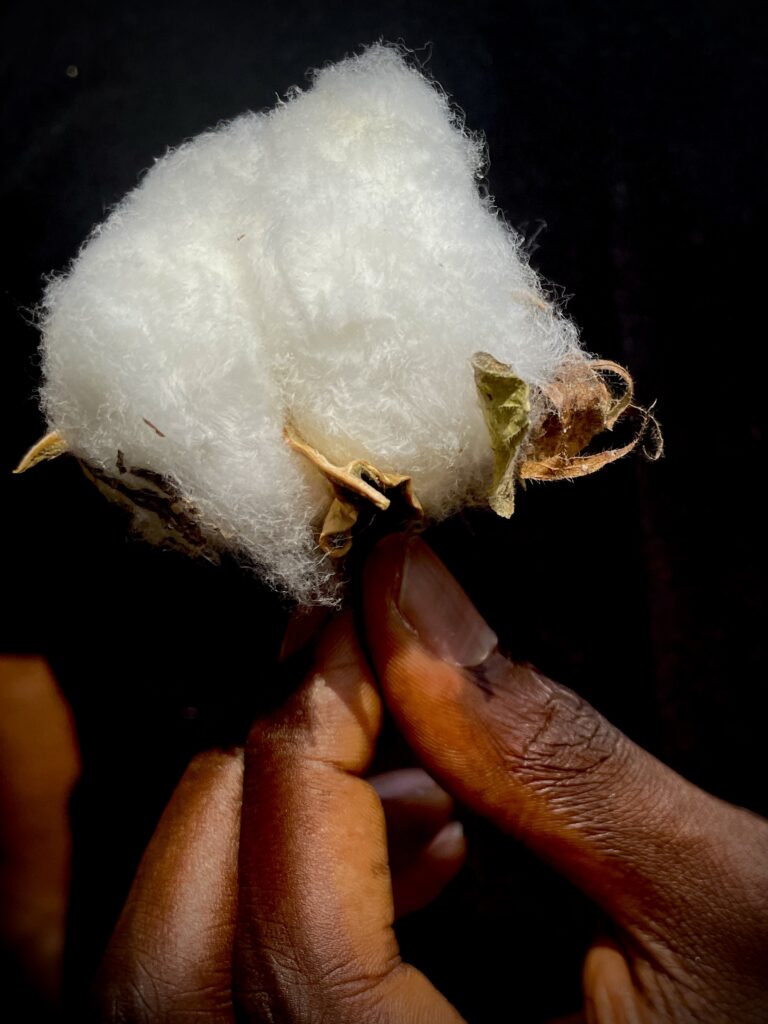
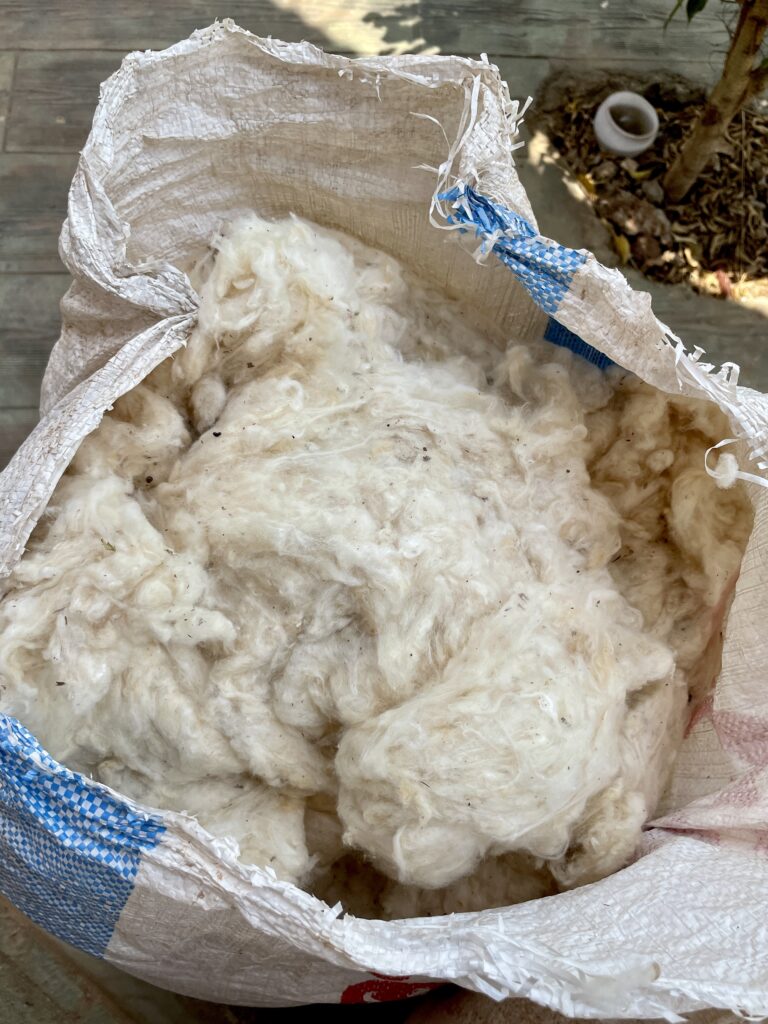
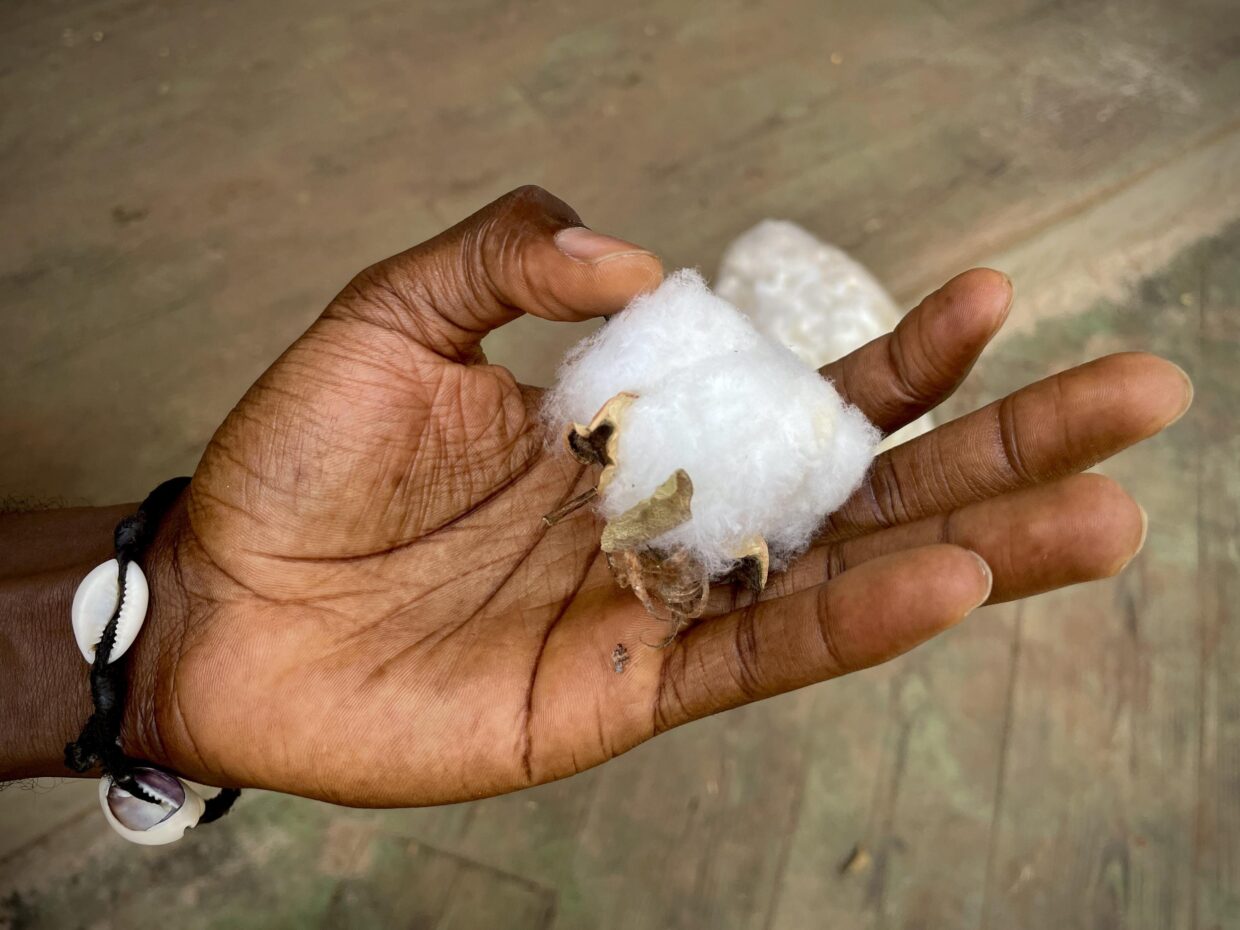
Cotton is a soft, staple fibre that grows in a boll, or protective case, around the seeds of the cotton plants of the genus Gossypium that comprises about 50 species distributed in warm temperate to tropical zones. The main fibres of the cotton plant are the longer seed hairs, used for making yarn to be woven into textile fabrics. Cotton is the most important group of fibre plants in the world, and Gossypium hirsutum the most important of the cotton species.
Gossypium hirsutum is primarily known from cultivation, but also exists in wild forms. Domestication occurred in Central America or northern South America. It is believed that the plant originated approximately 5–10 million years ago through the crossbreeding of wild Mexican cotton species with Gossypium herbaceum, resulting in a hybrid species. Gossypium hirsutum has become the main cotton of commerce. It is widely cultivated throughout the warmer parts of the world, including tropical Africa.
Read more
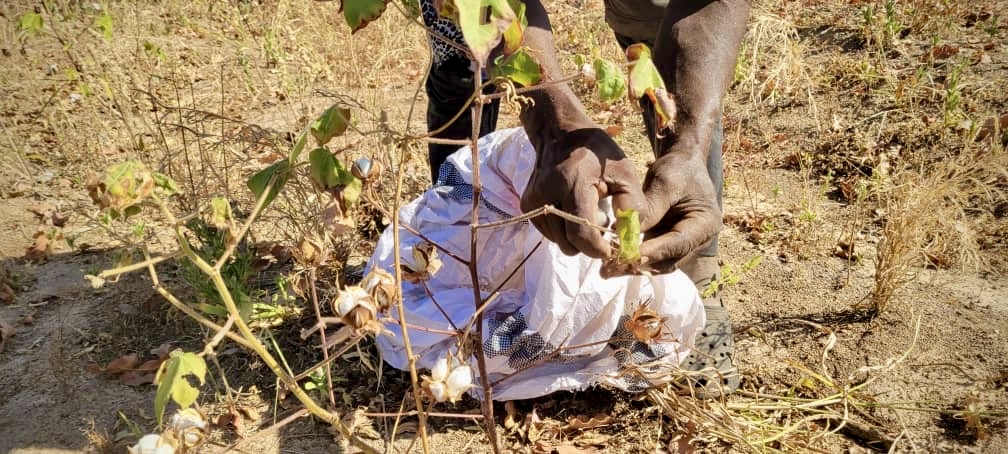
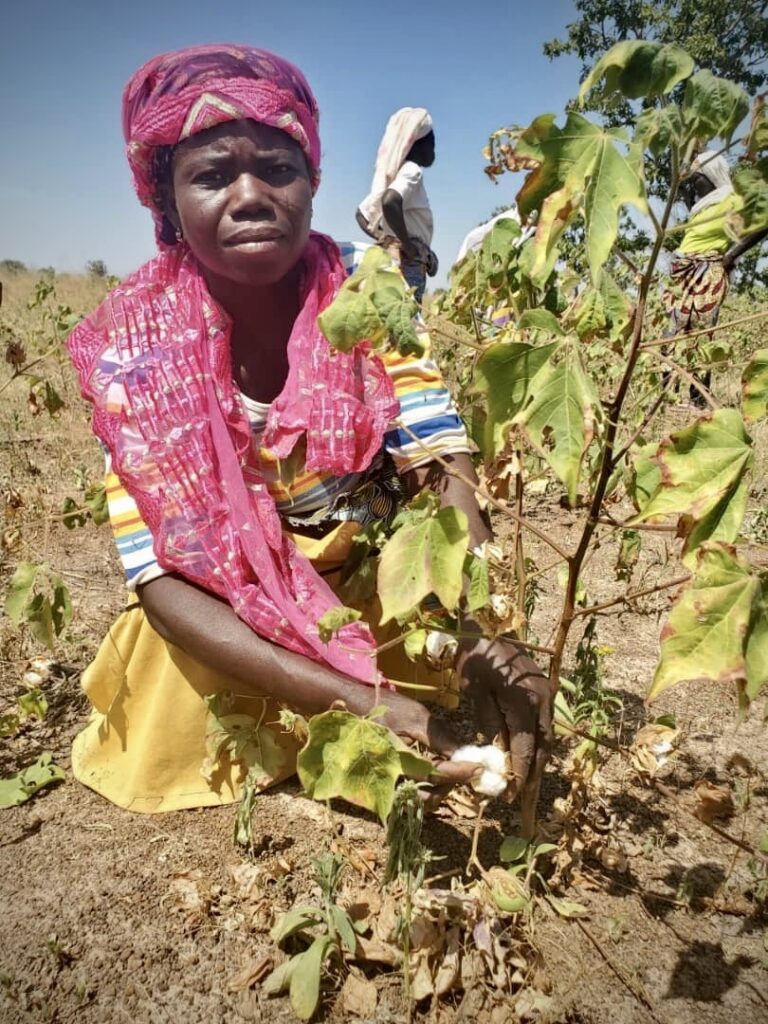
In tropical Africa regions, cotton is typically harvested by hand, usually in three passes, as leaving open bolls in the field can negatively impact fibre quality. The first harvest begins approximately 10 days after the bolls open, with subsequent harvests following at intervals of just over a week. At harvest time, the cotton must be as dry as possible. Hand harvesting yields cleaner cotton and a higher yield than machine harvesting.