Karin Altmann
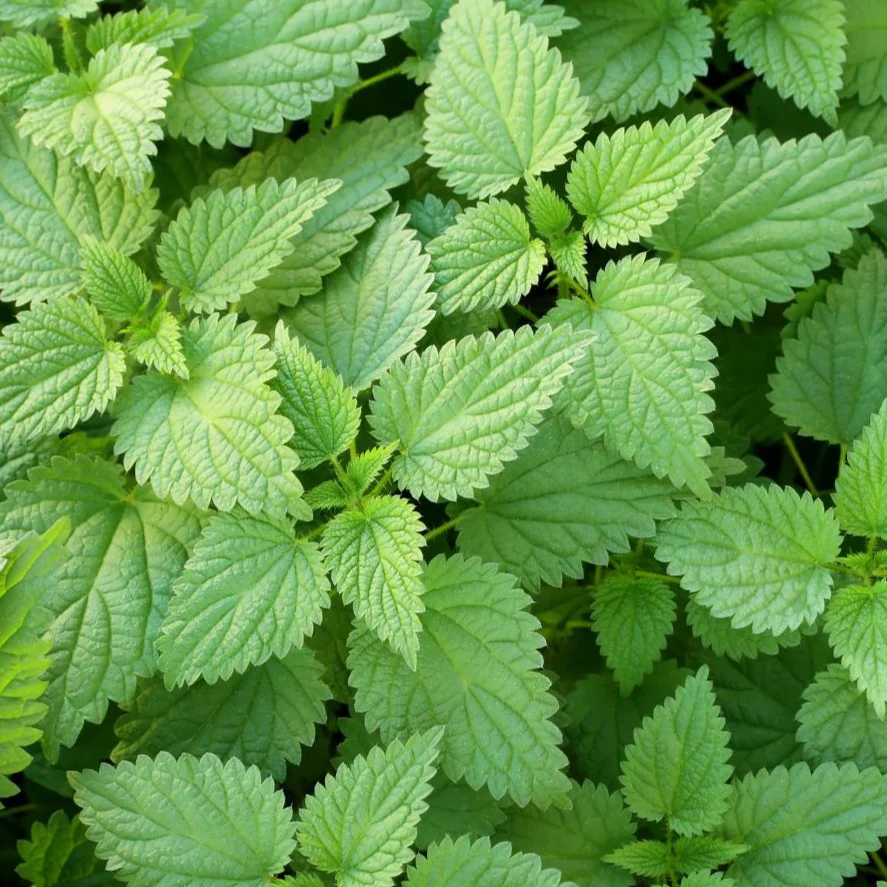
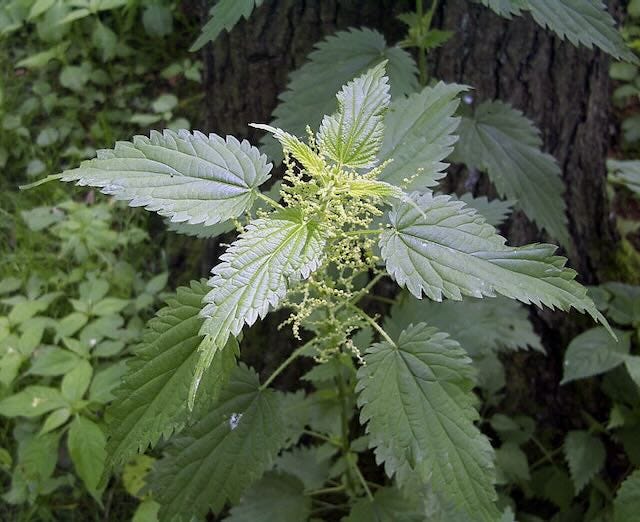
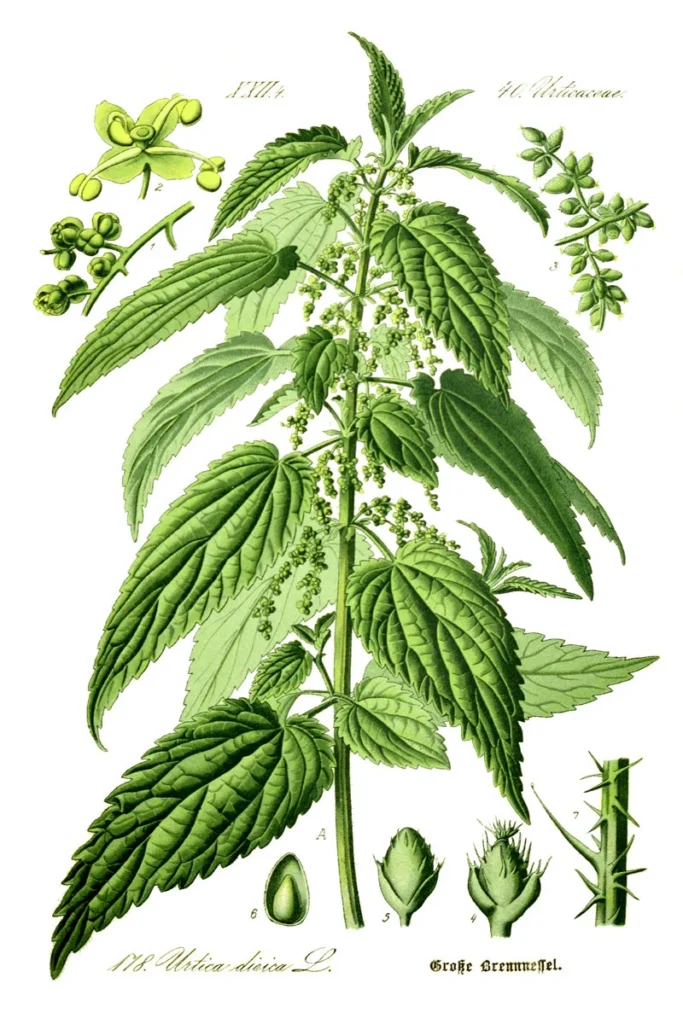
Nettle thrives in nitrogen-rich soils, commonly found along riverbanks, forest edges, roadsides, and disturbed land. It grows between 1 to 2 meters tall, with square stems, serrated dark green leaves, and clusters of small greenish flowers. The plant spreads both by seed and underground rhizomes, making it hardy and easy to cultivate under suitable conditions.
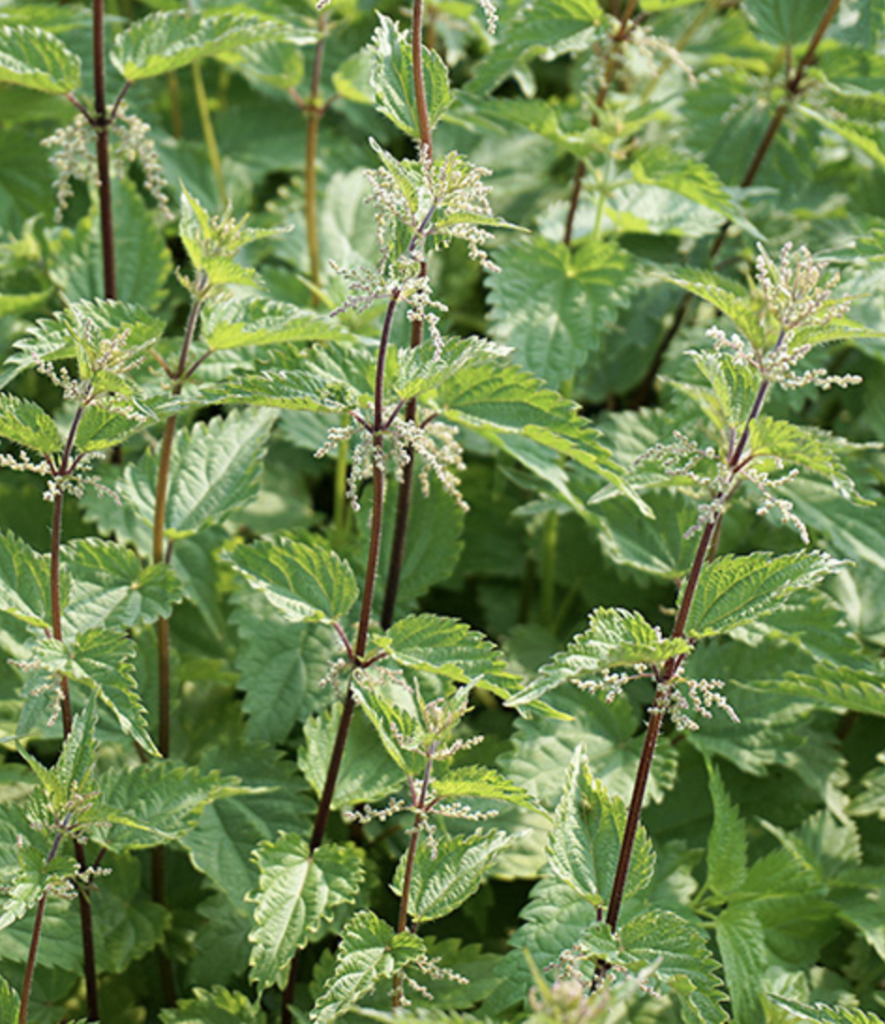
Stinging nettle (Urtica dioica) is a perennial herbaceous plant widely distributed across Europe, Asia, North America, and parts of North Africa. Often regarded as a weed due to its characteristic stinging hairs, nettle has a long history as a valuable fibre plant, particularly before the widespread adoption of cotton. Today, it is gaining renewed interest as a sustainable textile resource.
The fibre used in textiles comes from the plant’s bast fibres, located in the outer stem layer. These fibres are long, strong, and naturally hollow, which contributes to their insulating properties. Historically, nettle fibre has been used for making cloth, ropes, fishing nets, and sacks. Archaeological evidence shows its use dating back to the Bronze Age, and it was notably utilized during times of cotton shortages, such as in Europe during World War I and II.
From a material perspective, nettle fibre shares similarities with flax (linen) and hemp. It is known for its durability, breathability, and soft texture when properly processed. Additionally, nettle fibres are naturally resistant to mold and possess some antibacterial properties.
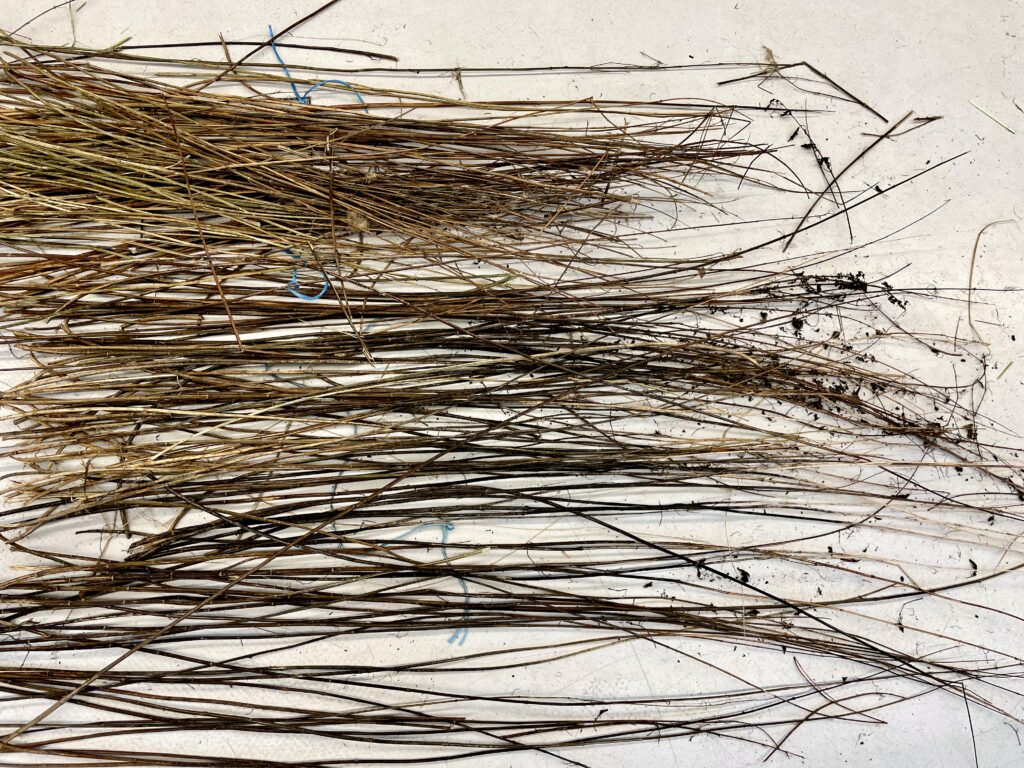
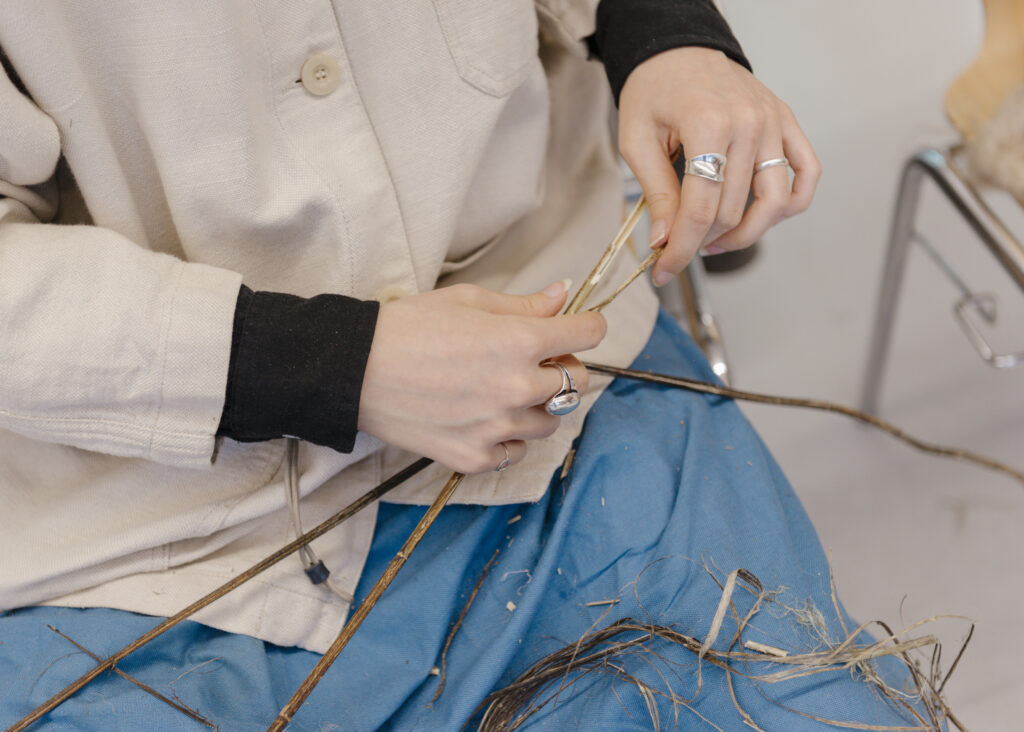
Cultivation for fibre production requires attention to plant density and harvesting time. Nettle is typically harvested when the stems are mature but before they become too woody, often in late summer. After harvesting, the stems undergo retting, a process that breaks down the pectins binding the fibres, followed by drying, breaking, scutching, and combing to extract and refine the fibres.
One of nettle’s major advantages is its environmental sustainability. It requires little to no pesticides, grows well without intensive fertilization (though it benefits from nitrogen-rich soils), and can be cultivated on marginal land not suitable for other crops. Its deep root system can also improve soil structure and biodiversity. Compared to cotton, nettle has a significantly lower water footprint.
Despite its benefits, nettle fibre production remains niche due to labour-intensive processing and limited industrial infrastructure. However, interest is growing, particularly in Europe, where research and small-scale production are exploring its potential as an eco-friendly textile alternative.